Ste se že kdaj ujeli, da ste uporabili pregovor, ne da bi se tega sploh zavedali?
Angleščina jih je polna – nekateri imajo svoje slovenske ustreznice, drugi pa razkrivajo poseben pogled in miselnost angleško govorečega sveta.
Izbrali smo nekaj najpogosteje uporabljenih angleških pregovorov, ki jih govorci redno uporabljajo v vsakdanjih situacijah. Preverite, ali jih znate pravilno umestiti v kontekst – in jih začnite uporabljati tudi sami.
1. The early bird gets the worm.
H kateremu uvodnemu stavku sodi podčrtani pregovor?
- Sarah woke up at 5 AM to prepare for the big sale. She got the best deals before anyone else. The early bird gets the worm!
- Jack always promised to help, but he never showed up. The early bird gets the worm!
- Pravilno: Sarah woke up at 5 AM to prepare for the big sale. She got the best deals before anyone else. The early bird gets the worm!
- Pomen pregovora v slovenščini: Ljudje, ki ukrepajo hitro ali začnejo zgodaj, imajo več možnosti za uspeh. (Rana ura zlata ura).
2. You can lead a horse to water, but you can’t make it drink.
H kateremu uvodnemu stavku sodi podčrtani pregovor?
- Tom’s parents gave him all the resources to succeed, but he never used them. You can lead a horse to water, but you can’t make it drink.
- Sarah woke up at 5 AM to prepare for the big sale. You can lead a horse to water, but you can’t make it drink.
- Pravilno: Tom’s parents gave him all the resources to succeed, but he never used them. You can lead a horse to water, but you can’t make it drink.
- Razlaga pomena pregovora: Nekomu lahko ponudiš pomoč ali nasvet, ne moreš pa ga prisiliti, da ga bo tudi upošteval.
3. Don’t judge a book by its cover.
H kateremu uvodnemu stavku sodi podčrtani pregovor?
- At first, the restaurant looked small and uninviting, but the food was amazing. Don’t judge a book by its cover!
- Tom’s parents gave him all the resources to succeed, but he never used them. Don’t judge a book by its cover!
- Pravilno: At first, the restaurant looked small and uninviting, but the food was amazing. Don’t judge a book by its cover!
- Razlaga pomena pregovora: Ne ocenjuj ljudi ali stvari le po njegovem videzu (Ni vse zlato, kar se sveti).
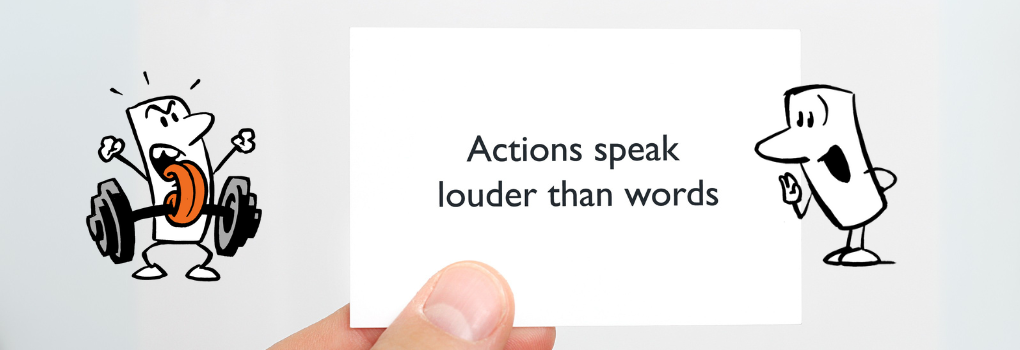
4. Actions speak louder than words.
H kateremu uvodnemu stavku sodi podčrtani pregovor?
- Lisa tried to do everything on her own, but she soon realized she needed support. Actions speak louder than words!
- Jack always promised to help, but he never showed up. Actions speak louder than words!
- Pravilno: Jack always promised to help, but he never showed up. Actions speak louder than words!
- Razlaga pomena pregovora: Dejanja povedo več kot besede – pomembneje je, kaj nekdo naredi, kot kaj reče.
5. The grass is always greener on the other side.
H kateremu uvodnemu stavku sodi podčrtani pregovor?
- Emily moved abroad thinking life would be perfect, but she quickly missed home. The grass is always greener on the other side.
- David missed his flight, but instead of complaining, he booked the next one. The grass is always greener on the other side.
- Pravilno: Emily moved abroad thinking life would be perfect, but she quickly missed home. The grass is always greener on the other side.
- Razlaga pomena pregovora: Ljudje si pogosto želijo tisto, česar nimajo, in mislijo, da imajo drugi boljše pogoje. (Sosedova trava je vedno bolj zelena).
6. It’s no use crying over spilled milk.
H kateremu uvodnemu stavku sodi podčrtani pregovor?
- David missed his flight, but instead of complaining, he booked the next one. It’s no use crying over spilled milk.
- Emily moved abroad thinking life would be perfect, but she quickly missed home. It’s no use crying over spilled milk.
- Pravilno: David missed his flight, but instead of complaining, he booked the next one. It’s no use crying over spilled milk.
- Razlaga pomena pregovora: Ni smiselno obžalovati nečesa, česar ne moremo več spremeniti. (Po toči zvoniti je prepozno).
7. No man is an island.
H kateremu uvodnemu stavku sodi podčrtani pregovor?
- Lisa tried to do everything on her own, but she soon realized she needed support. No man is an island.
- Emily moved abroad thinking life would be perfect, but she quickly missed home. No man is an island.
- Pravilno: Lisa tried to do everything on her own, but she soon realized she needed support. No man is an island.
- Razlaga pomena pregovora: Nihče ne more živeti popolnoma sam – ljudje smo odvisni drug od drugega.
Bi znali uporabiti pregovore v sproščenem pogovoru?
Pregovori vašemu govoru v angleščini dodajo globino in naravnost – izkušeni govorci jih uporabljajo pogosto in spontano. Poskusite jih vključiti v vsakodnevne pogovore in presenečeni boste, kako tekoče boste zveneli.
Učenje angleščine po govorni metodi vam omogoča, da samozavestno spregovorite hitreje in z večjo sproščenostjo. Sprejmite izziv in naredite korak bližje odličnemu znanju angleščine.